"Hutongs are the cultural memories carved into the city. They should not be erased by the march of modernization!"
"How do we solve the living problems in the old hutongs? Urban development is the key to giving everyone a better life!"
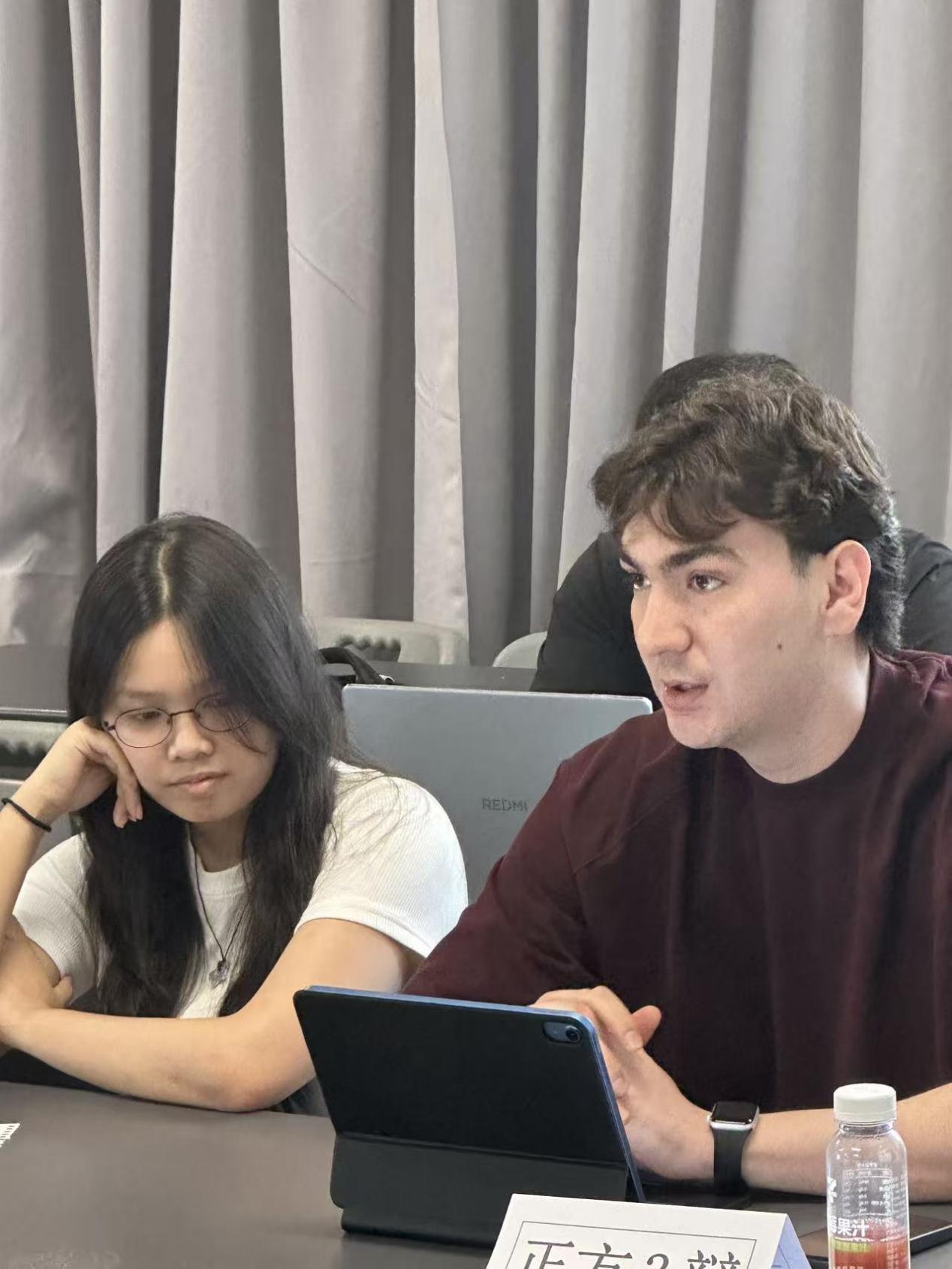
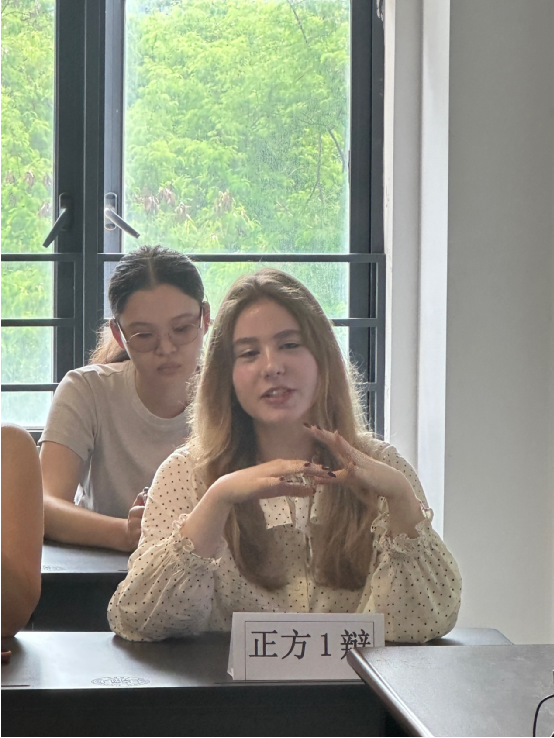
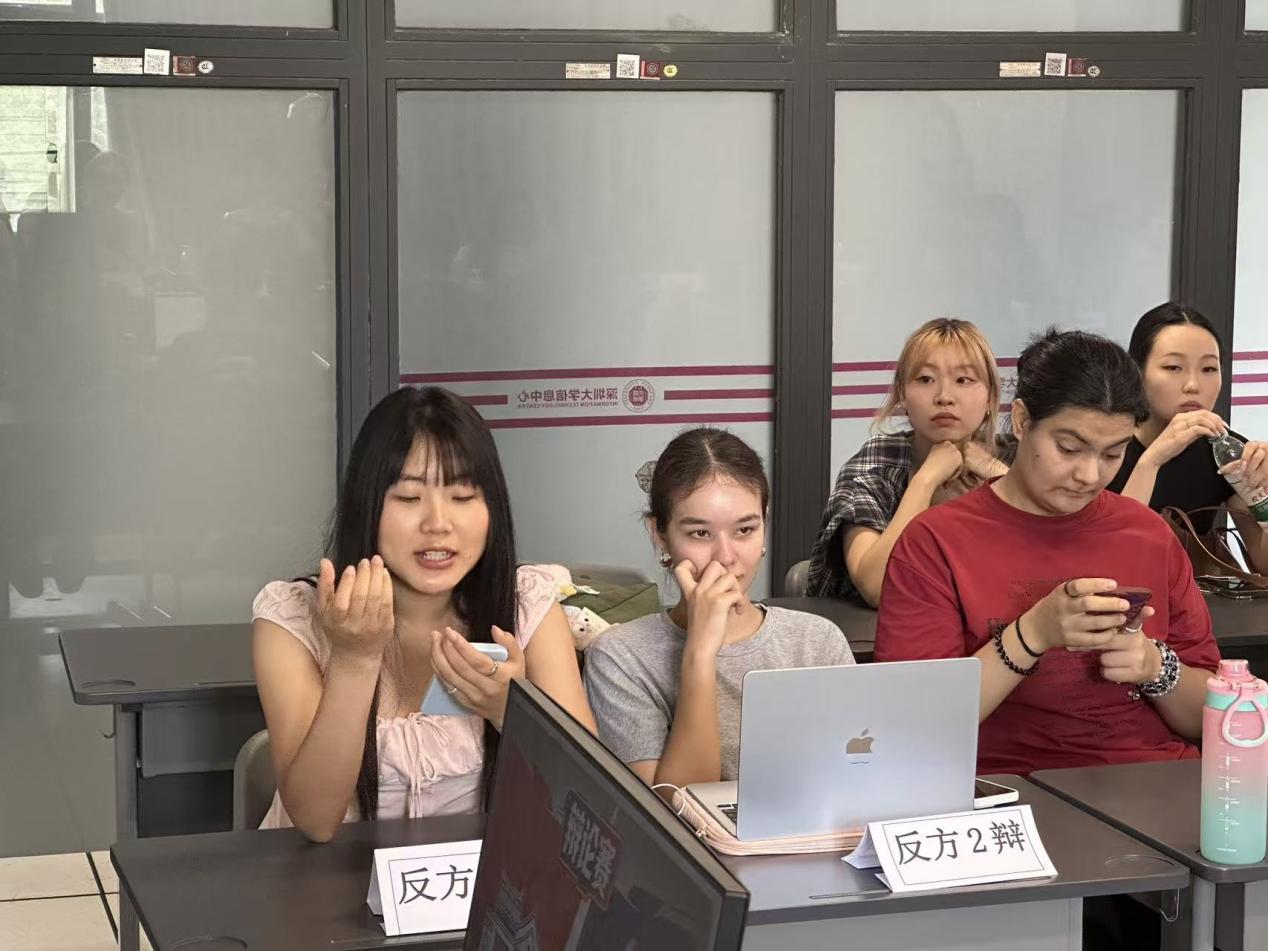
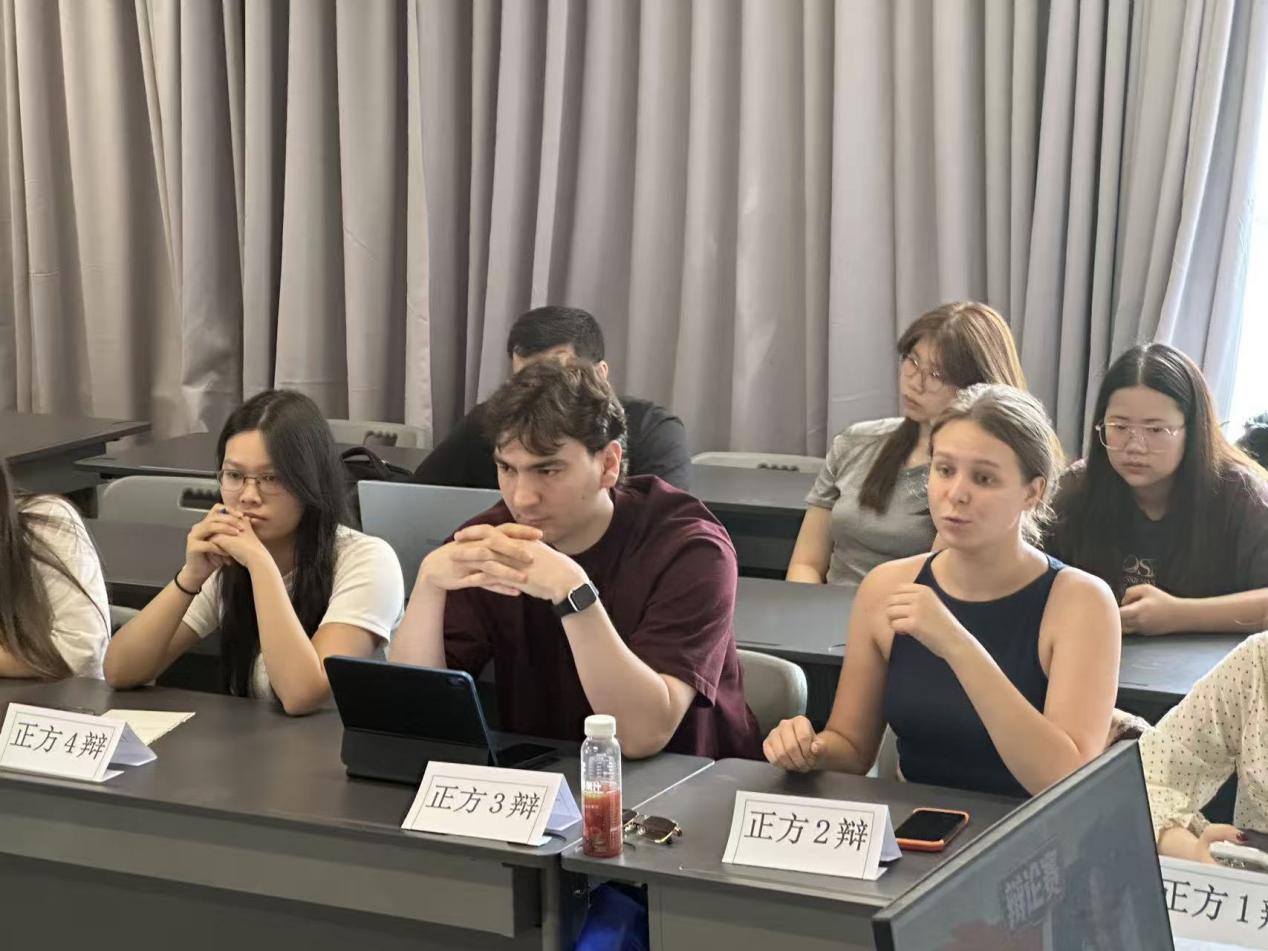
On May 14, 2026, a lively debate was in full swing in the classroom of Shenzhen University's College of International Exchange — students from the Chinese International Education class, Grade 24, Department of Chinese Language and Culture, were passionately arguing over the topic "The Fate of the Hutongs" in fluent Chinese.
Bring knowledge from the printed page to life
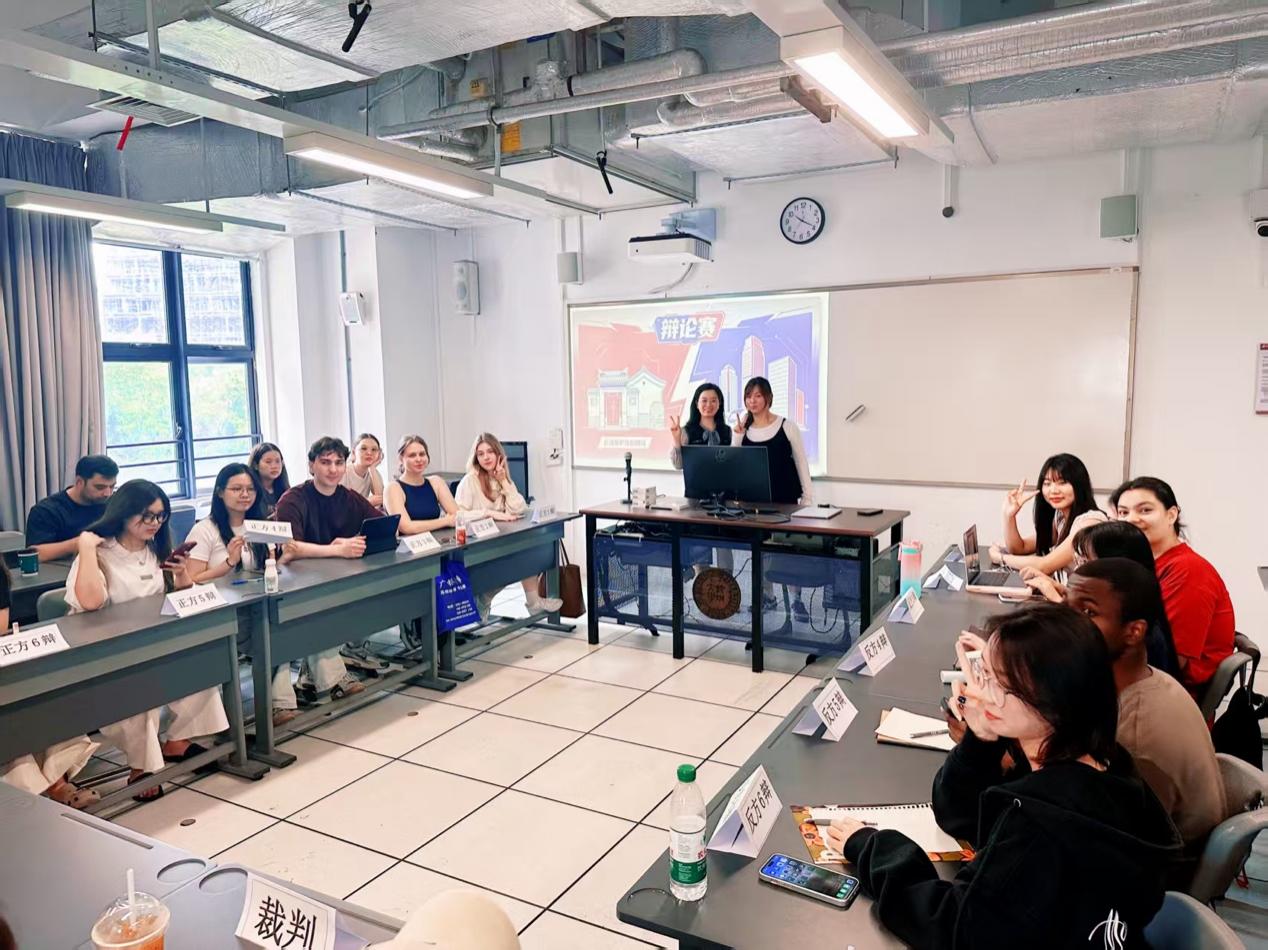
This special debate competition originated from the text "The Vanished Hutongs" that the students had just finished studying. Instead of stopping at textual explanation, Teacher Ji Jingjing used the text as a starting point and introduced a debate topic that cuts straight to real-life issues:
✅ Affirmative side: Traditional hutongs should be preserved.
✅ Negative side: Hutongs should be demolished to build a modern city.
All 34 students in the class were mobilized, forming a complete debate team, including a host, affirmative debaters, negative debaters, a panel of judges, a think tank, and support staff.
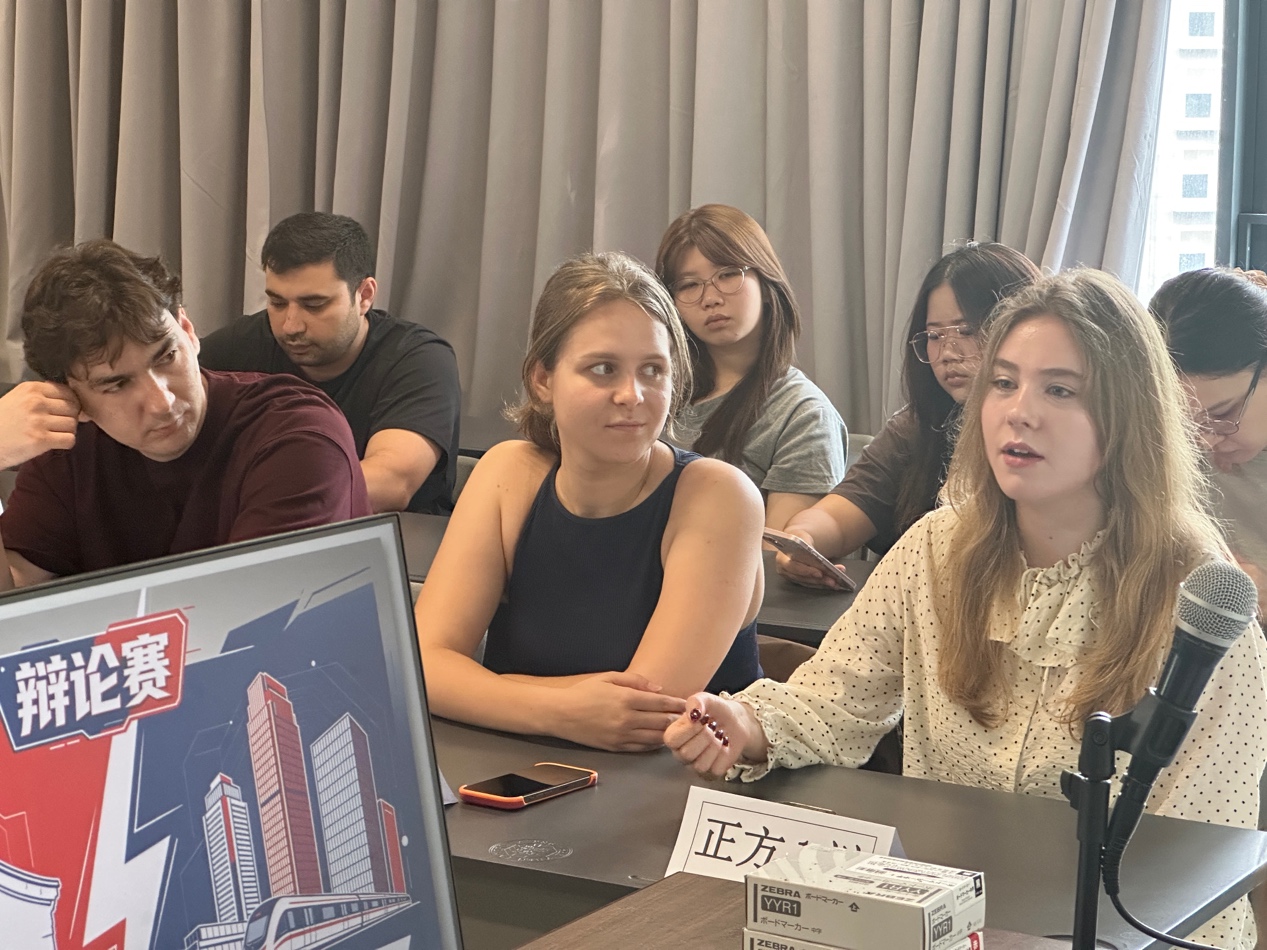
Language and culture: a mutual convergence
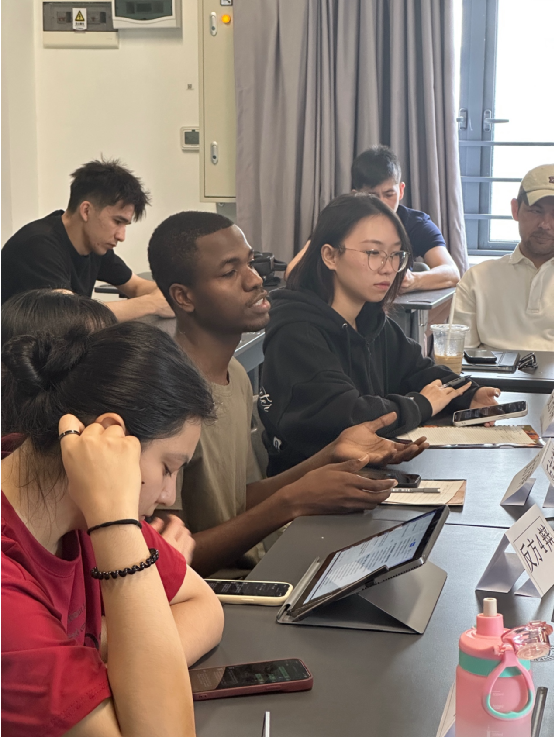
"At first when reading the text, I only knew that hutongs are old buildings in Beijing. But now I understand that they are the 'roots' for many Chinese people," one student said during the debate.
For the students, this debate had long transcended the meaning of mere "language practice." They transformed the words from their textbooks into vivid expressions in the heat of argument. Through the exchange of ideas, they not only honed their Chinese speaking skills and logical reasoning, but also came to appreciate the cultural weight carried by the hutongs. More importantly, they truly began to reflect on the complex issue of "preserving traditional culture versus developing modern cities."
Let language become a bridge to understanding the world
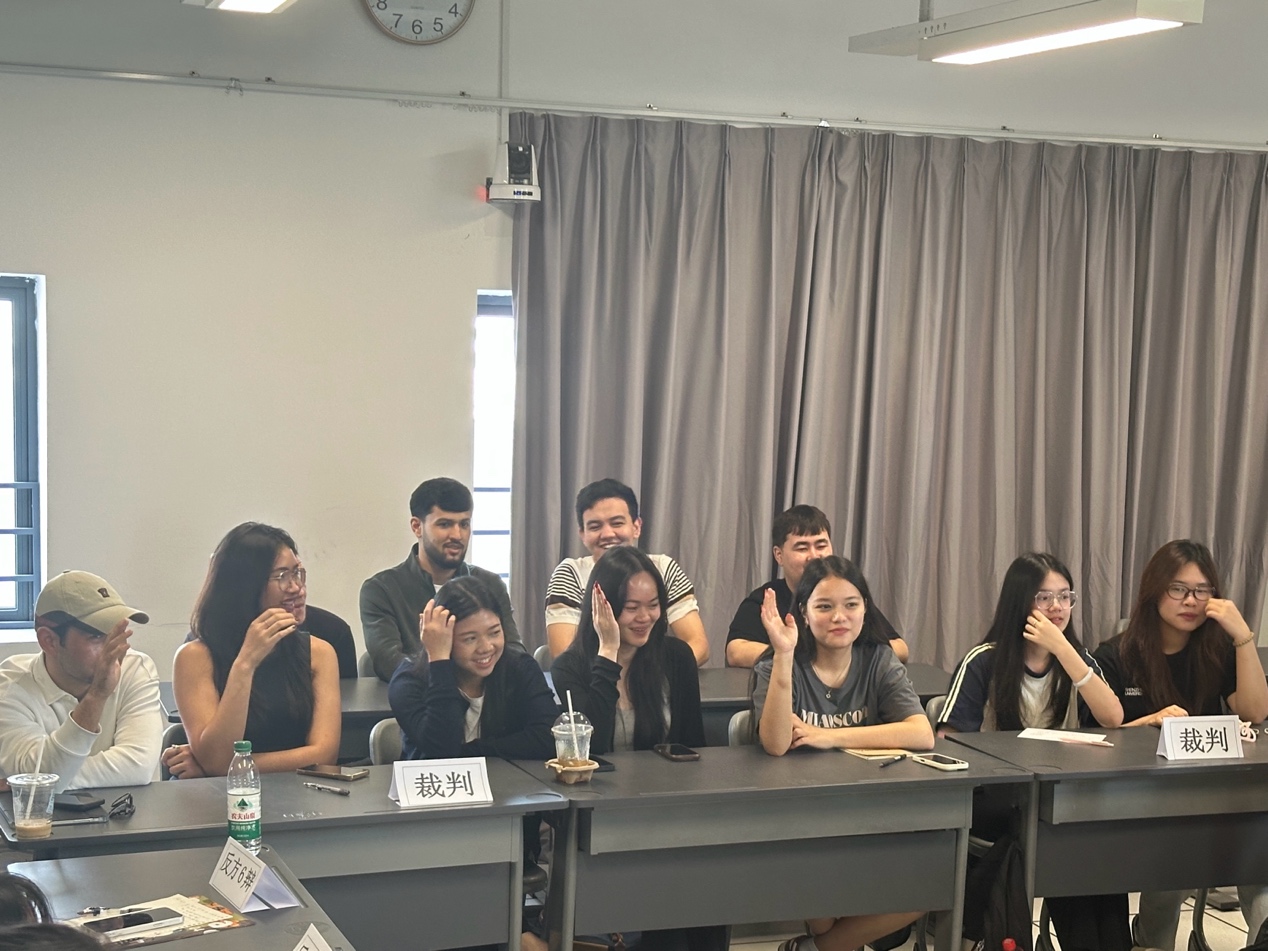
In Teacher Ji Jingjing's teaching philosophy, the ultimate goal of language learning has never been simply "being able to write Chinese characters and read texts," but rather "being able to use the language to communicate, to think critically, and to understand the culture and ideas behind the words."
"Give a man a fish and you feed him for a day; teach him to fish and you feed him for a lifetime," said Teacher Ji. "Rather than having them memorize a text about hutongs, I hope they can use Chinese to express their own views, to understand the tensions and balances within Chinese culture, and to truly learn how to engage in dialogue with the world through Chinese."
This debate competition was a vivid practice of Teacher Ji's teaching philosophy. Instead of rote memorizing the definition of "hutong," the students, through repeated exchanges of ideas, came to touch upon the deep‑rooted Chinese reflections on "tradition" and "development," and in doing so, truly turned the Chinese language into a bridge that connects Chinese and foreign cultures.
When the stories of hutongs meet the Chinese classroom, language is no longer a cold set of symbols, and culture is no longer a distant concept.
This spirited debate was not only a practice of language but also a warm encounter with culture.





 Home
Home


