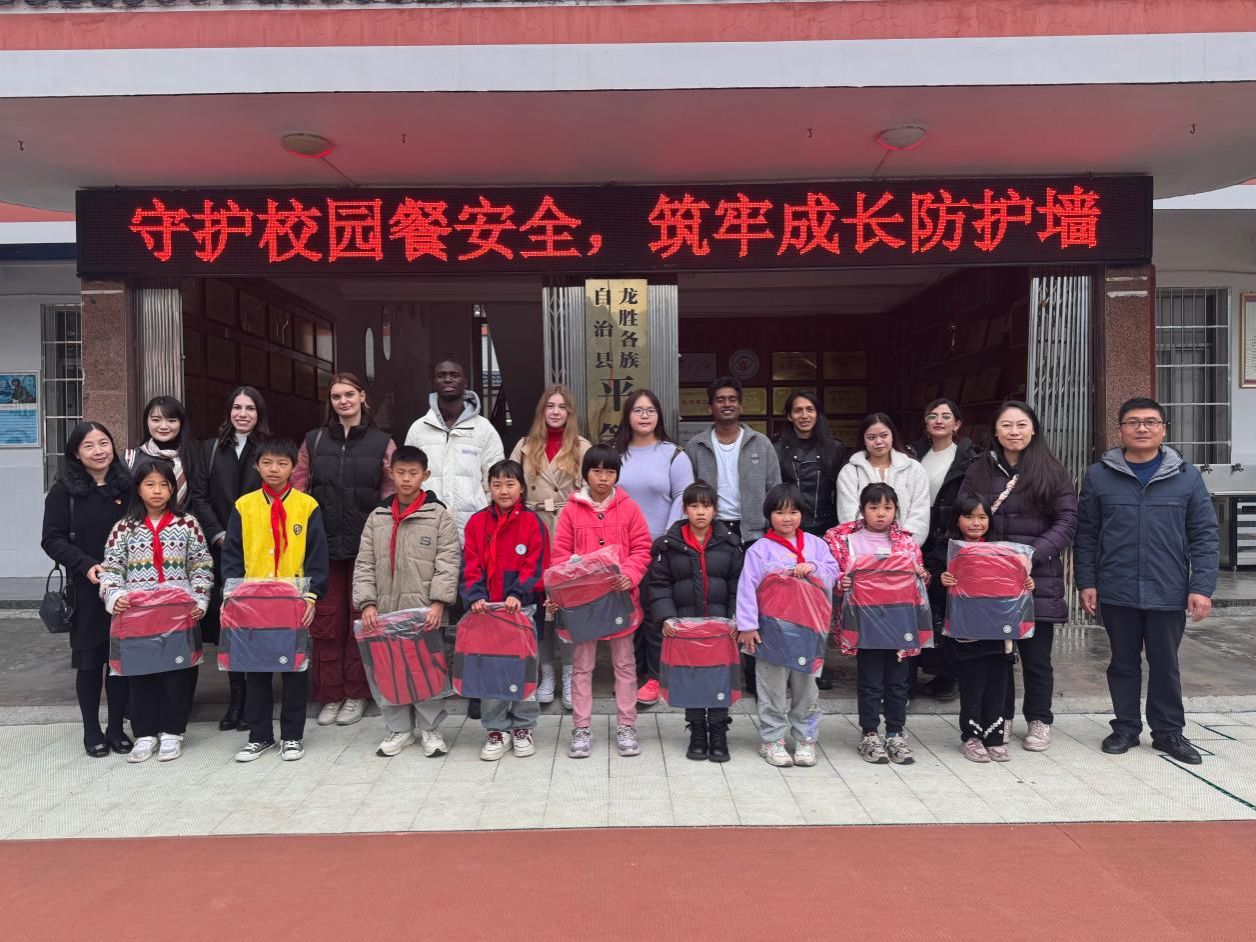
On December 4th, the activity "Cultural Ambassadors Enter Campus," organized by the College of International Exchange at Shenzhen University, concluded successfully at Pingdeng Primary School in Longsheng County, Guilin City. Nine international students from countries including Belarus, Bangladesh, Russia, Iran, and Serbia, all studying at the College of International Exchange at Shenzhen University, stepped into the classrooms of a rural Chinese primary school, embarking on a cross-cultural dialogue spanning mountains and seas. During the activity, the international students shared stories of their respective countries with the children in Chinese. Through this practice, they honed their language skills, experienced the joy of cultural exchange, and personally witnessed the authentic and multi-dimensional story of China.
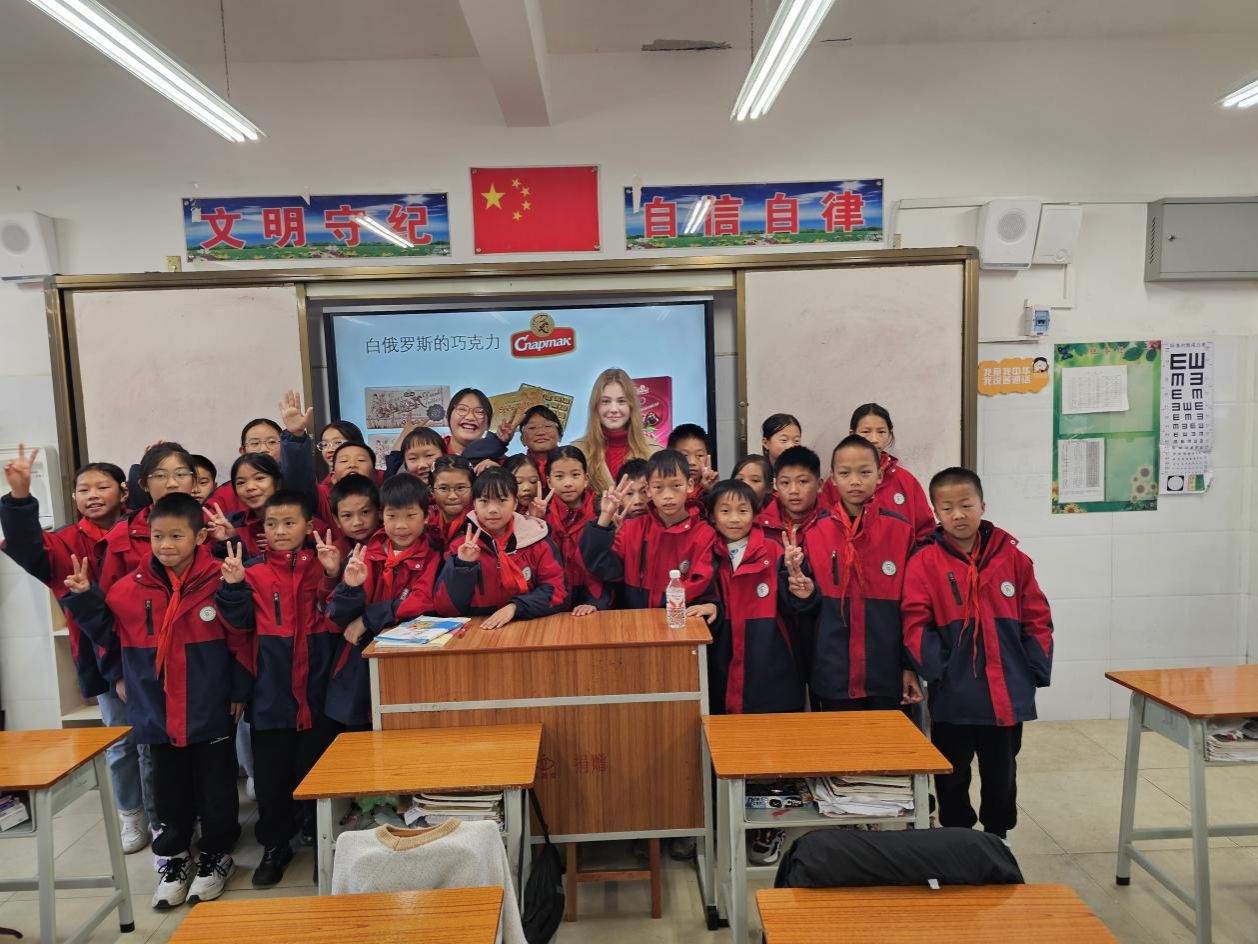
Belarus Classroom: From the "Land of Blue Eyes" to a Dialogue of Hearts
"Did you know, everyone, that Belarus is called the 'Land of Blue Eyes'? Not only because it has tens of thousands of lakes like blue eyes, but also because in our culture, the color blue symbolizes purity and peace." With these words, international student Tina (KASPIAROVICH KRYSTSINA) from Belarus began her lesson in fluent Chinese. For this class, she meticulously refined her teaching materials and consulted her Chinese classmates on how to express cultural imagery in more vivid and engaging Chinese.
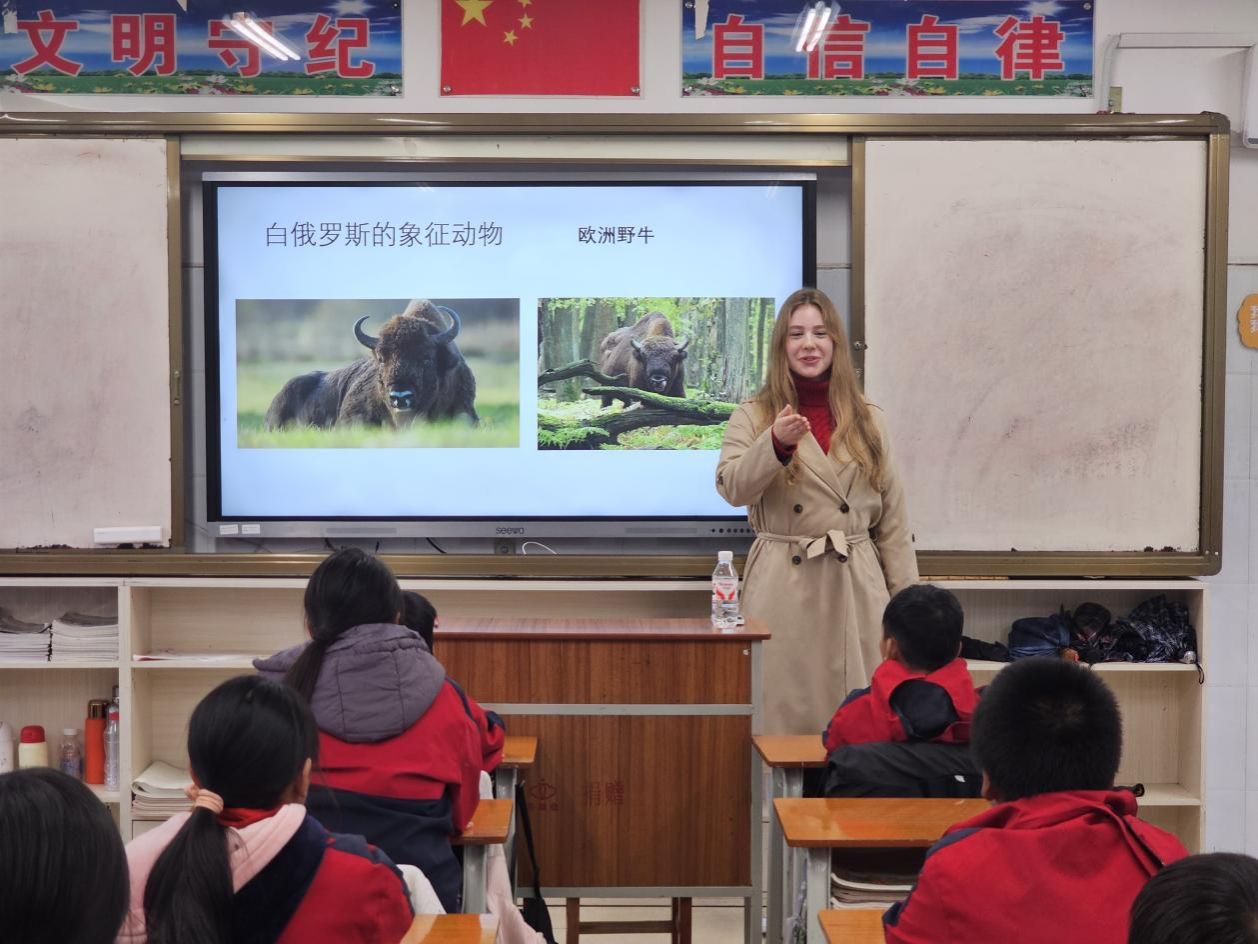
During the class, she guided the children from the natural landscapes and traditional attire of Belarus to the taste of classic potato pancakes, and further connected these topics to the Belt and Road cooperation between Belarus and China. The children asked with curiosity, "Does it snow in Belarus during winter?" As Tina answered, she wrote key terms on the blackboard, quietly honing her Chinese language skills through practice. She shared, "Using Chinese to tell stories of my homeland has given me a deeper appreciation for the beauty of both languages. The children listened attentively and even taught me a Chinese nursery song. This kind of interaction is truly wonderful."
Bangladesh Classroom: When the "Land of Rivers" Meets a Universe of Childlike Wonder
"The local temperature was near zero degrees Celsius, but as soon as I entered the school, I was warmed by the children's enthusiasm and joy," reflected Mahasen (HOSSAIN MD ARIF) after the class. This Bangladeshi international student had initially worried that the children might feel distant from the faraway South Asian country, but the lively classroom atmosphere quickly dispelled his concerns.
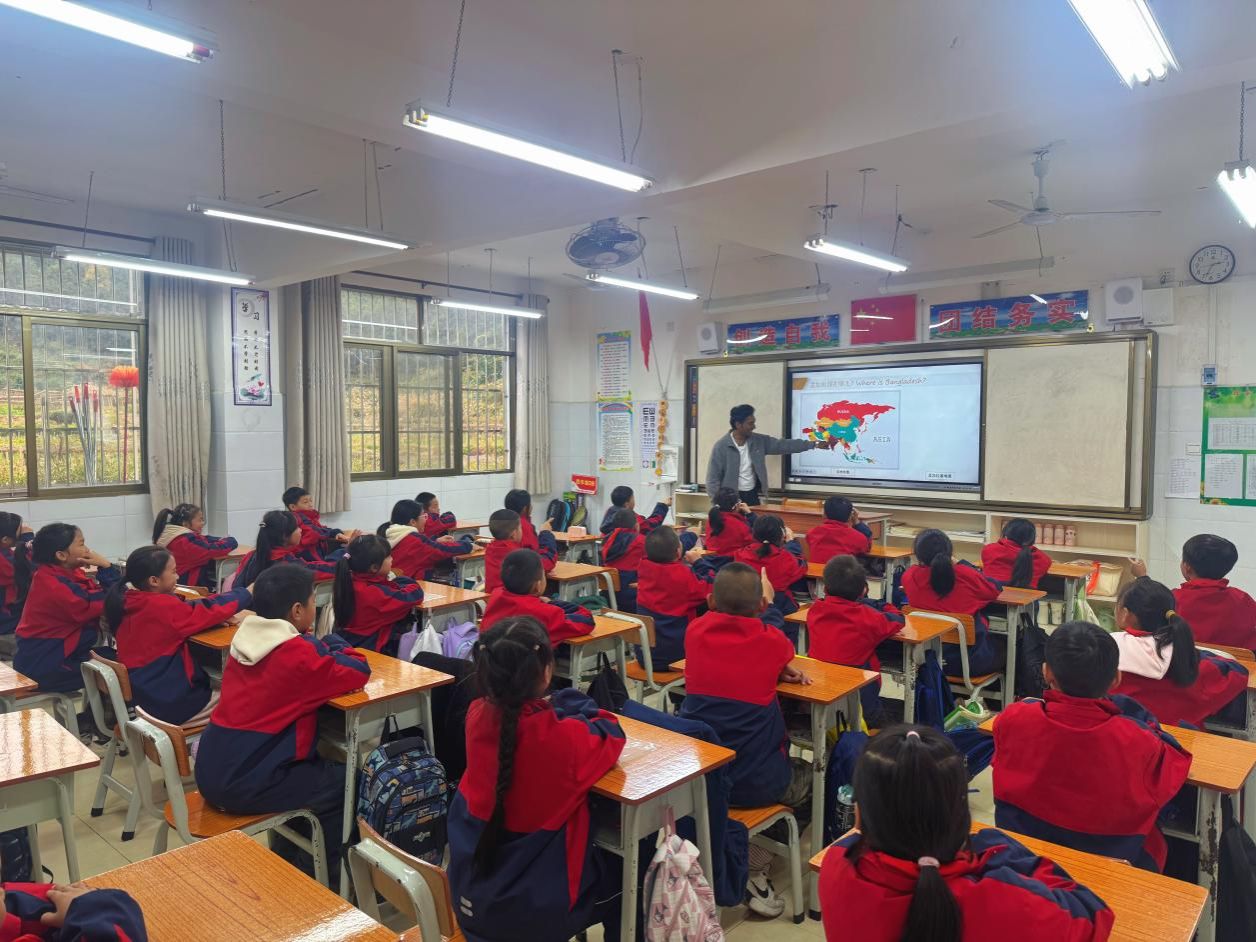
He told stories in Chinese about Bangladesh's 700 rivers, showcased the vibrant colors of saris and punjabis, and explained the habits of Bengal tigers living in the mangrove forests. The children eagerly asked questions: "Are the boats in Bangladesh really called 'moon boats'?" "Do you also celebrate the New Year?" To Mahasen's delight, he found that many children already had a basic understanding of the world through books and documentaries. "I intended to bring the world into the classroom, only to discover that the children already had the entire universe in their eyes," he said. During the teaching process, his Chinese expression grew increasingly confident, even allowing him to flexibly use vivid terms like "rickshaw capital" and "swimming tiger." "This experience made me realize that cultural exchange is not a one-sided narrative, but a two-way inspiration and resonance," he reflected.
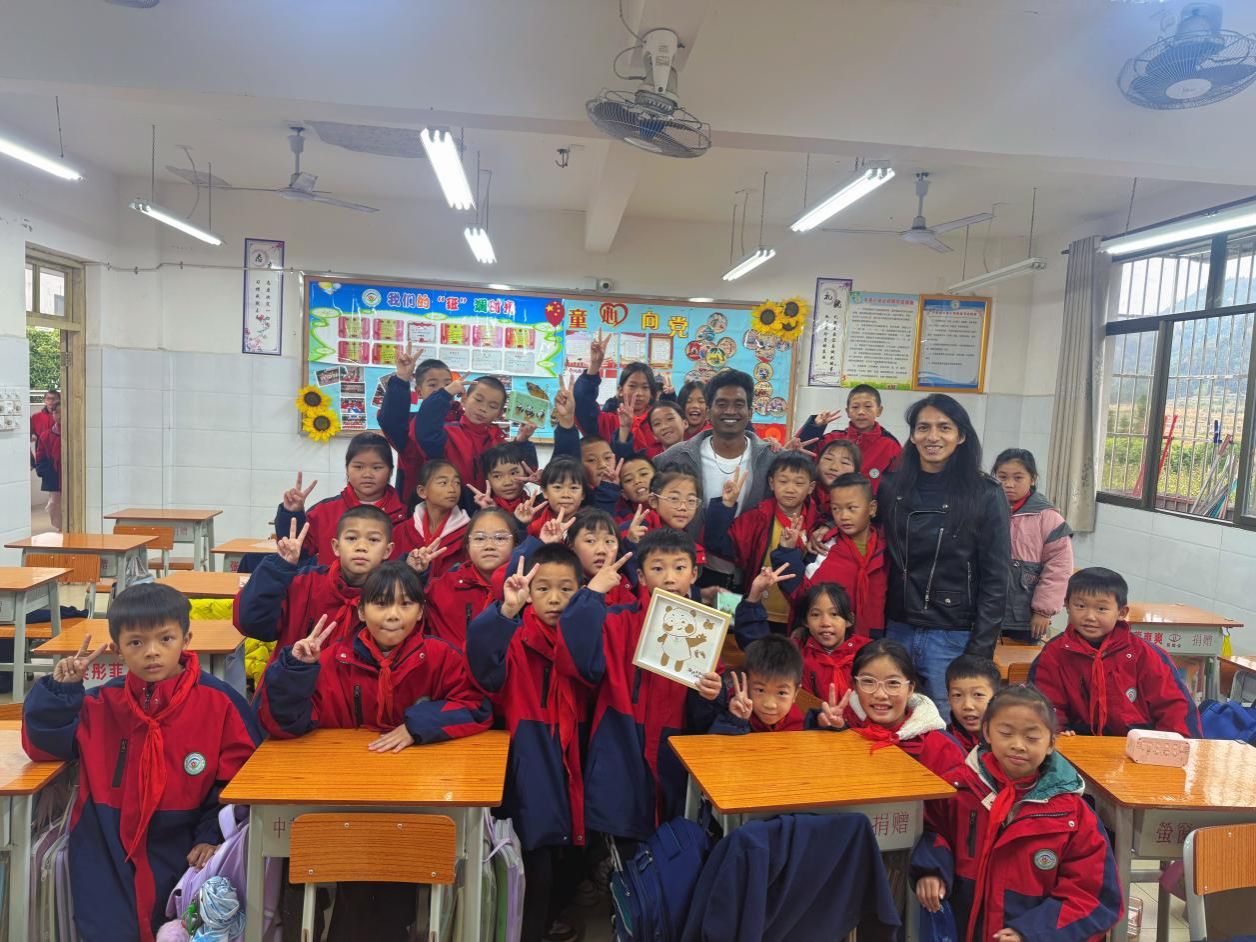
Russian Classroom: Building Bridges Between a Vast Nation and Innocent Questions
“How many time zones does Russia have? Why is the ice in Lake Baikal blue?” Sasha (VARESHINA ALEKSANDRA) from Russia kicked off the interactive class with engaging questions. To prepare for this fully Chinese-language lesson, she repeatedly practiced the pronunciation of specialized vocabulary and sought advice from teachers on how to translate complex literary and geographical knowledge into language that children could easily understand.
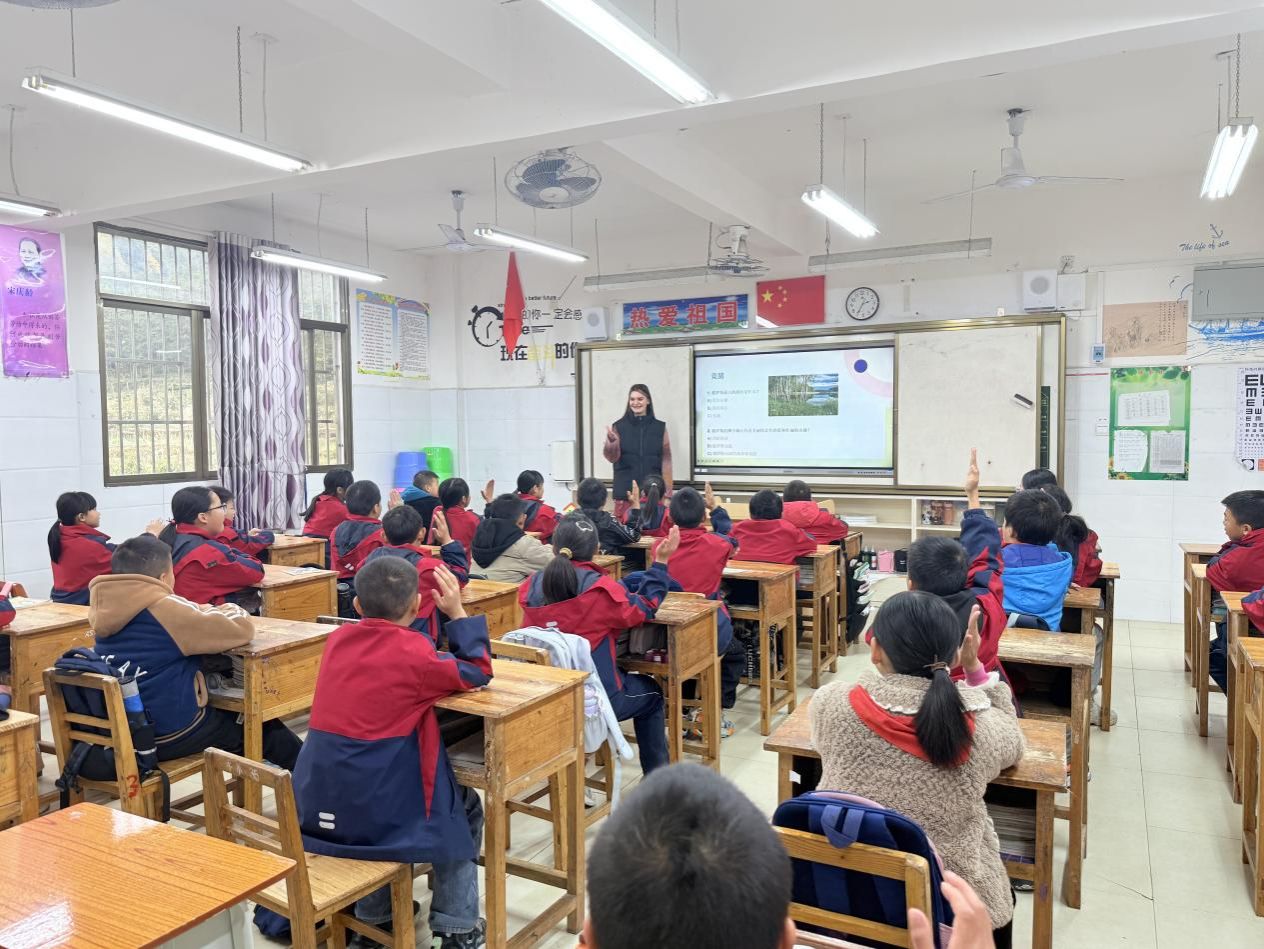
From Pushkin's poetry to Tchaikovsky's ballets, from the painting of the Volga boatmen to the onion domes of St. Basil's Cathedral on Red Square, Sasha wove a rich tapestry of Russian culture using images, music, and stories. The children learned to sing simple Russian greetings and tried to pronounce words like "Tolstoy" and "Maslenitsa" in Chinese. Sasha shared, "Introducing Russia to Chinese children in Chinese was both a linguistic and cultural challenge for me. But seeing their focused eyes and eagerly raised hands transformed all my nervousness into motivation. This truly made me realize that language is not just a tool but a bridge that connects hearts."
Iran Classroom: The Fragrance of Persian Culture Blossoms Through Chinese Narration
"Hello everyone, I am Sophia from Iran, and today I'd like to share some interesting festivals and dances from my country!" The cheerful Iranian international student Sophia (EBRAHIMI MOHADDESEH) captivated the entire audience with her enthusiasm as soon as she took the stage. She introduced her topic by comparing the seasonal climates of China and Iran, demonstrated the beauty of Persian script with hand-drawn alphabet cards, and shared captivating Iranian fables with the children.
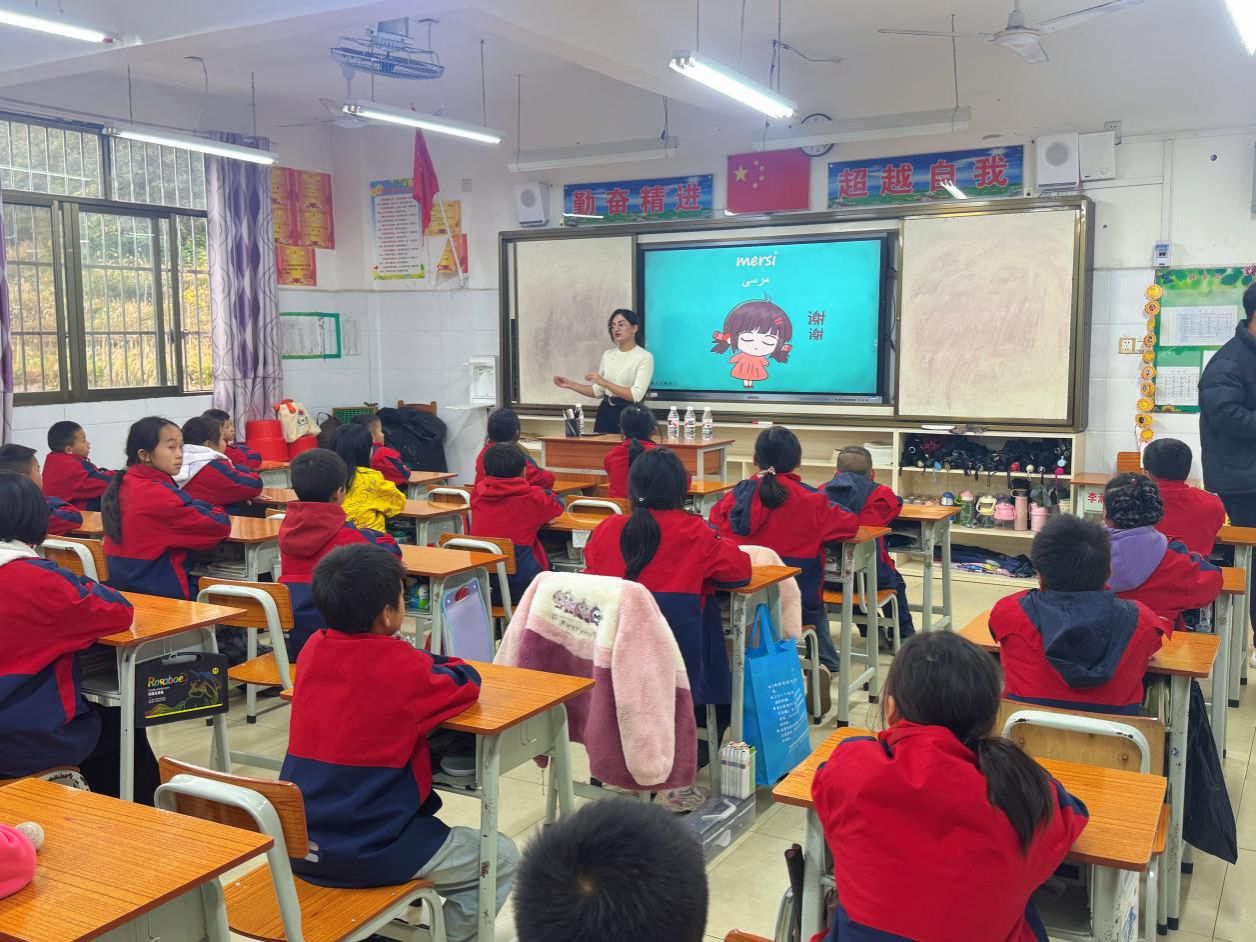
As the video of traditional Iranian dance played, the children couldn't help but clap along to the rhythm. When Sophia explained the Yalda Night tradition—where families gather to eat pomegranates and read Hafez's poetry—the children eagerly shared warm stories of their own family celebrations during the Winter Solstice. "The children were incredibly adorable, and the time spent with them was truly wonderful," Sophia wrote in her reflections. "I think the beautiful meaning of life is hidden in their kind and innocent eyes!" For her, this fully Chinese-language lesson not only honed her language organizational skills but also allowed her to find the purest joy of being a cultural sharer in the curious gazes of the children.
Shared Growth Across Cultures: From Classroom to Rural Revitalization
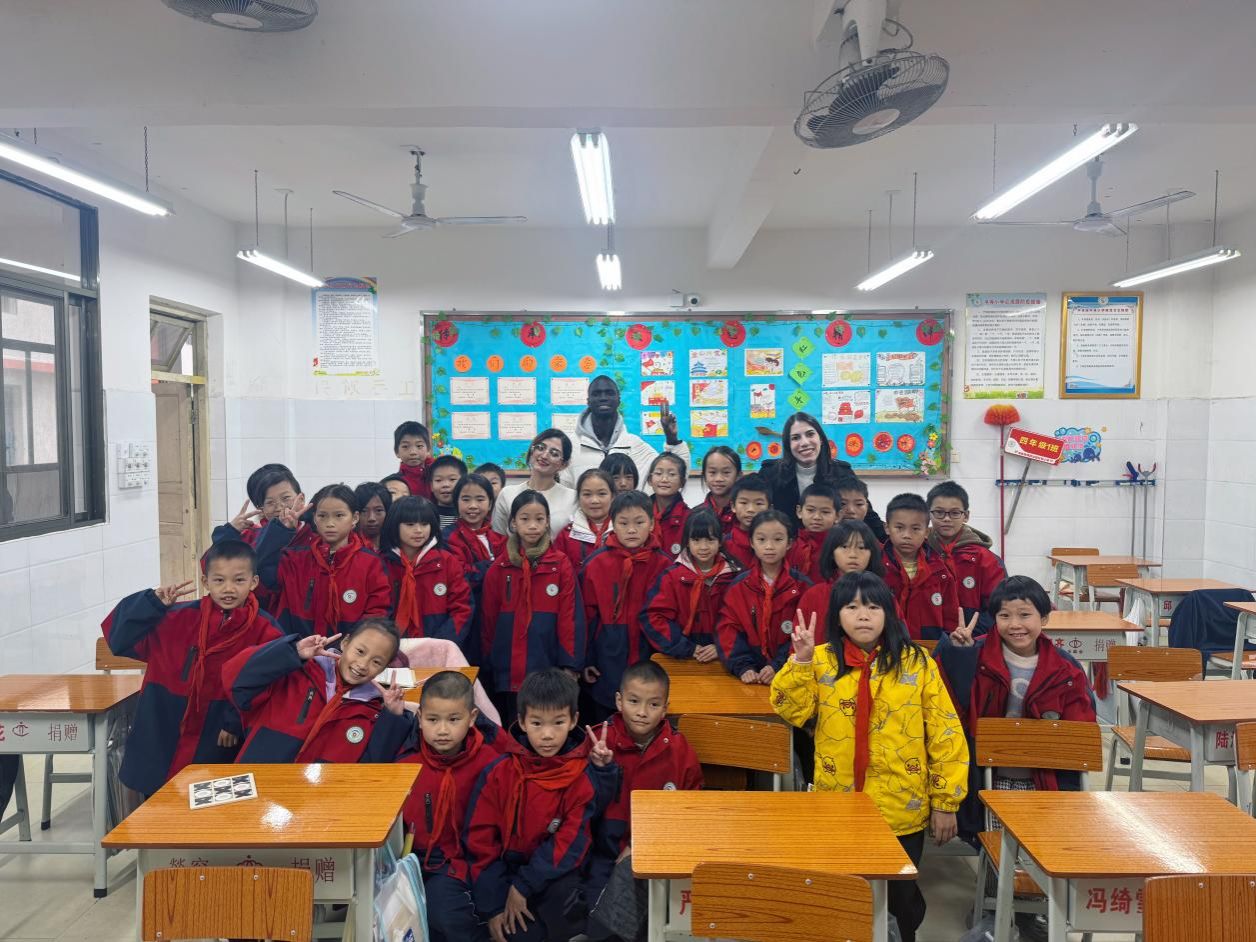
This event was not only a journey of cultural exchange and mutual learning but also a path of two-way growth. After the classes, the international students visited Pingdeng Village to observe the achievements of its new rural development. "We saw tidy village houses, modern facilities, and also felt the simple, honest folk customs and profound family culture)," said Anna, an international student from Belarus. "This has given us a more multi-dimensional and warmer understanding of China's development." Mahasen from Bangladesh added, "This experience made me realize that the true significance of cultural exchange lies in building understanding and friendship. And the Chinese language is the most important key for us to unlock this door."
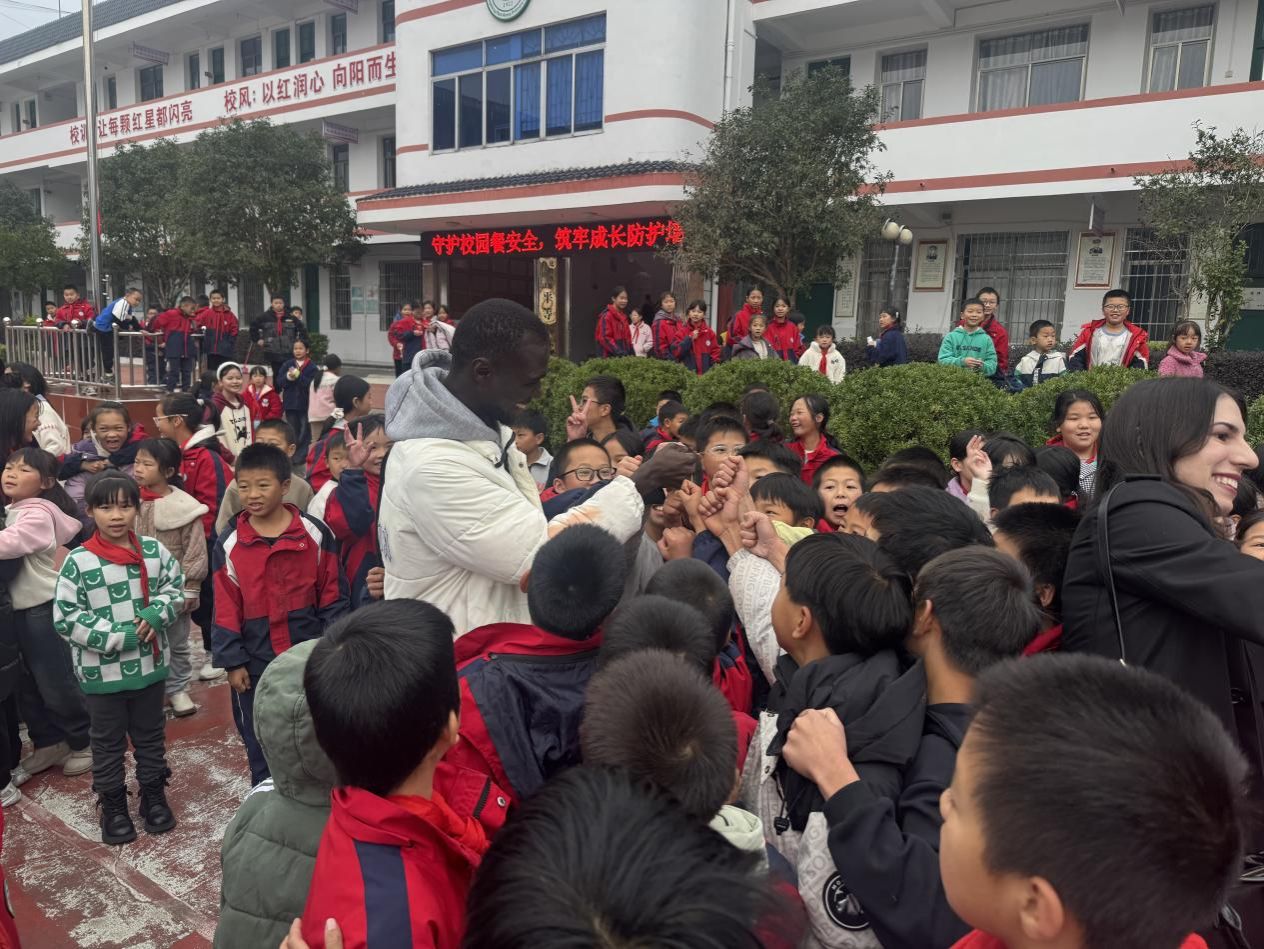
The College of International Exchange at Shenzhen University has always been committed to creating diverse platforms for international students to gain in-depth understanding of China and practice their Chinese language skills. This "Cultural Ambassadors" initiative serves as a vivid example—through preparing and delivering lessons, the students enhanced their practical Chinese proficiency; through interactive exchanges, they strengthened their cultural confidence; and through exploring rural areas, they gained a genuine understanding of China. Since its launch in 2013, the "Cultural Ambassadors Enter Campus" program has engaged over 400 international students, who have conducted "cultural classrooms" and cultural exchanges in primary, secondary, and high schools across the country. The initiative has been featured in nearly 100 news reports, establishing itself as a model of cross-cultural exchange. The program emphasizes mutual cultural exchange and learning, enabling international students to share their authentic experiences of China with their home countries, communities, and alma maters. In the future, the college will continue to promote such cross-cultural practice projects, empowering more international students to become youthful ambassadors for people-to-people exchanges between China and the world.





 Home
Home


